4 Signs You Need to Waterproof Your Basement Before Winter Damage Occurs in Cambridge
Your basement plays a crucial role in your home’s structural integrity and can serve as valuable living or storage space. However, moisture problems can quickly turn this asset into a costly headache that affects your entire home.
Recognizing the early warning signs of water damage can save you thousands of dollars in repairs and protect your family’s health. Most basements will experience some level of water intrusion during their lifetime, making it essential to know what to look for. From unusual smells to visible damage, your basement often provides clear signals when waterproofing becomes necessary.
1) Persistent musty or damp odours
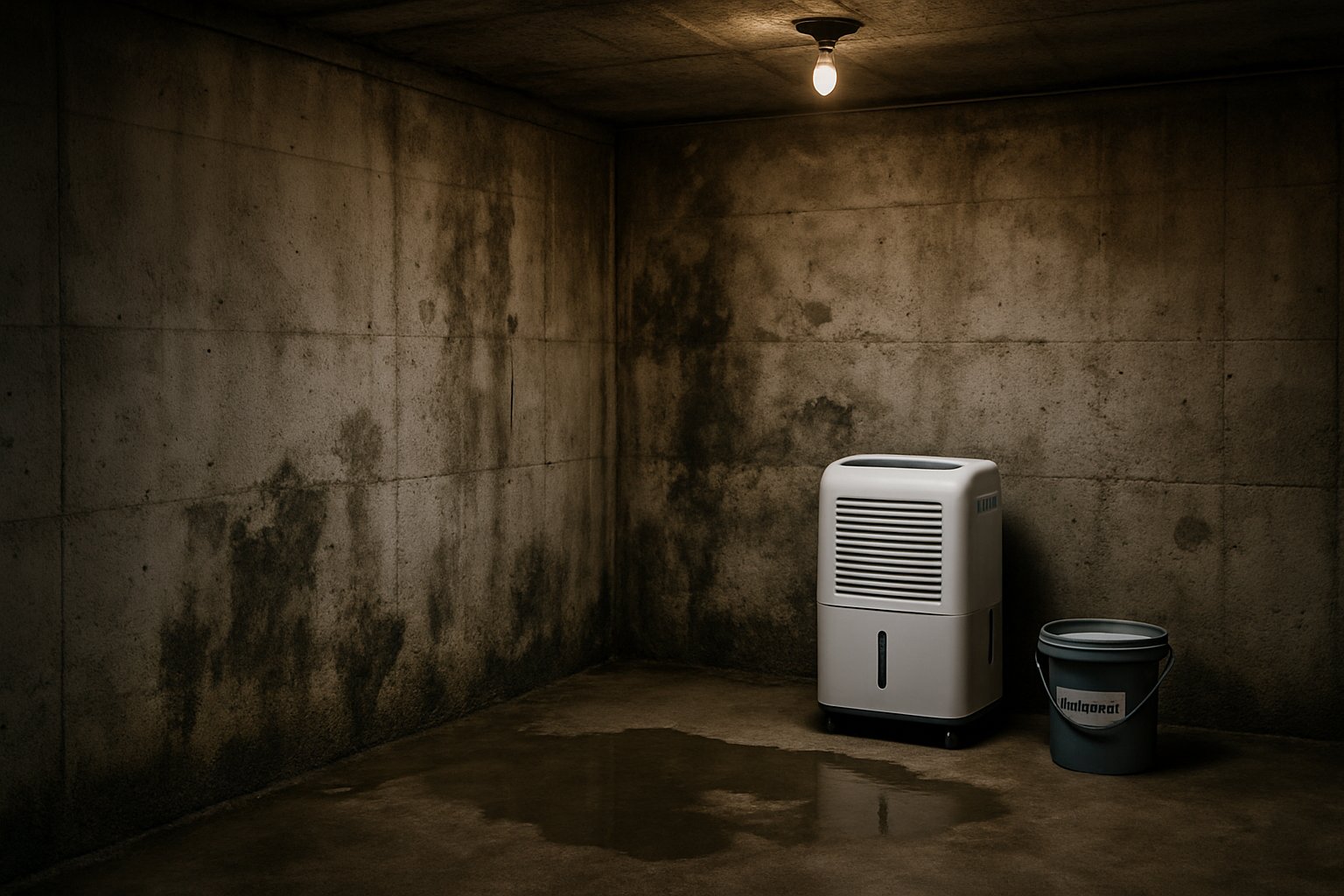
A persistent musty odor in your basement is one of the earliest warning signs you need basement waterproofing in Cambridge. This smell resembles wet socks or old books and indicates potential dampness or hidden water problems.
The odor comes from mold and mildew that grow in damp environments. Even if your basement looks dry, moisture can hide behind walls or under floors where you cannot see it.
You should never ignore this smell. Musty odours often point to hidden water damage that needs immediate attention.
High humidity levels create perfect conditions for mold growth. When moisture enters through foundation cracks or poor drainage, it creates an environment where harmful microorganisms thrive.
The smell may seem minor at first. However, it typically gets worse over time as more moisture accumulates and mold spreads throughout the space.
Your basement should smell fresh and clean when properly waterproofed. Any ongoing musty smell means moisture is getting in somewhere and needs to be stopped.
Professional waterproofing addresses the root cause of these odors by preventing water entry. This eliminates the damp conditions that allow mold and mildew to grow in the first place.
Taking action quickly prevents the problem from getting worse. Early waterproofing saves money compared to dealing with extensive mold damage later.
2) Visible mold or mildew growth
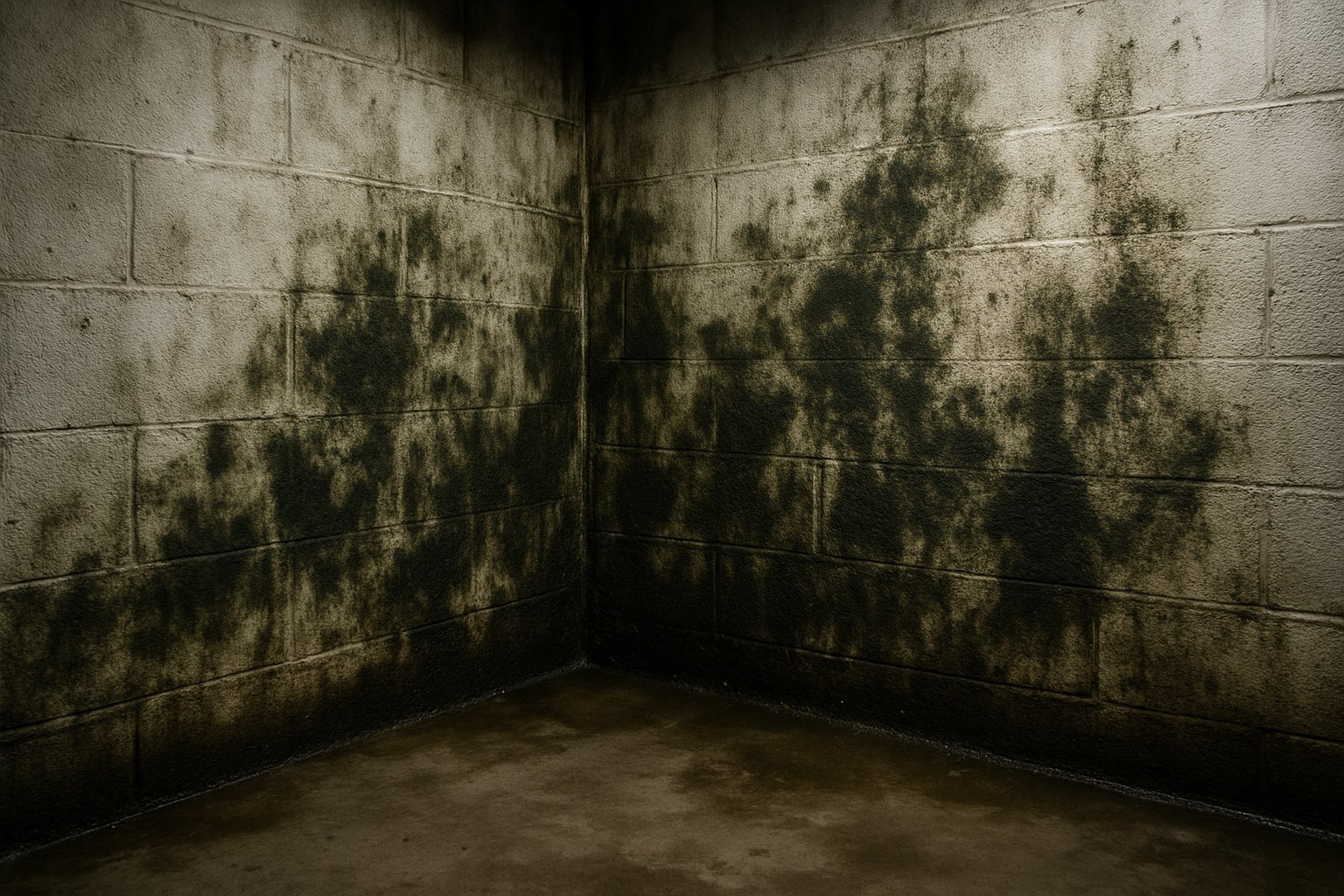
When you see black, white, green, or grey patches on your basement walls or floors, you have a clear moisture problem. Mold and mildew growth indicates excessive water in your basement that needs immediate attention.
These growths typically appear in damp, dark corners first. You might notice them behind stored boxes, along foundation walls, or near water pipes.
Mold thrives when humidity levels stay above 60 percent for extended periods. Your basement provides the perfect dark environment for spores to multiply rapidly.
The patches often start small but spread quickly across surfaces. You may find fuzzy textures on wooden items, discoloured spots on drywall, or slimy films on concrete walls.
Different mold types create different colours and patterns. Black mold appears as dark spots, while white mold looks powdery or cotton-like on surfaces.
Visible mold or mildew signals that water is entering your basement through cracks, poor drainage, or high humidity. The moisture creates ideal breeding conditions.
You cannot solve this problem by simply cleaning the visible growth. The water source must be stopped through proper waterproofing measures.
Ignoring mold growth leads to structural damage to your home. The organisms break down organic materials like wood, paper, and fabric over time.
Your stored belongings become damaged or ruined when mold spreads. Family photos, holiday decorations, and furniture can all suffer permanent harm from ongoing exposure.
3) Water stains or discoloration on walls or floors
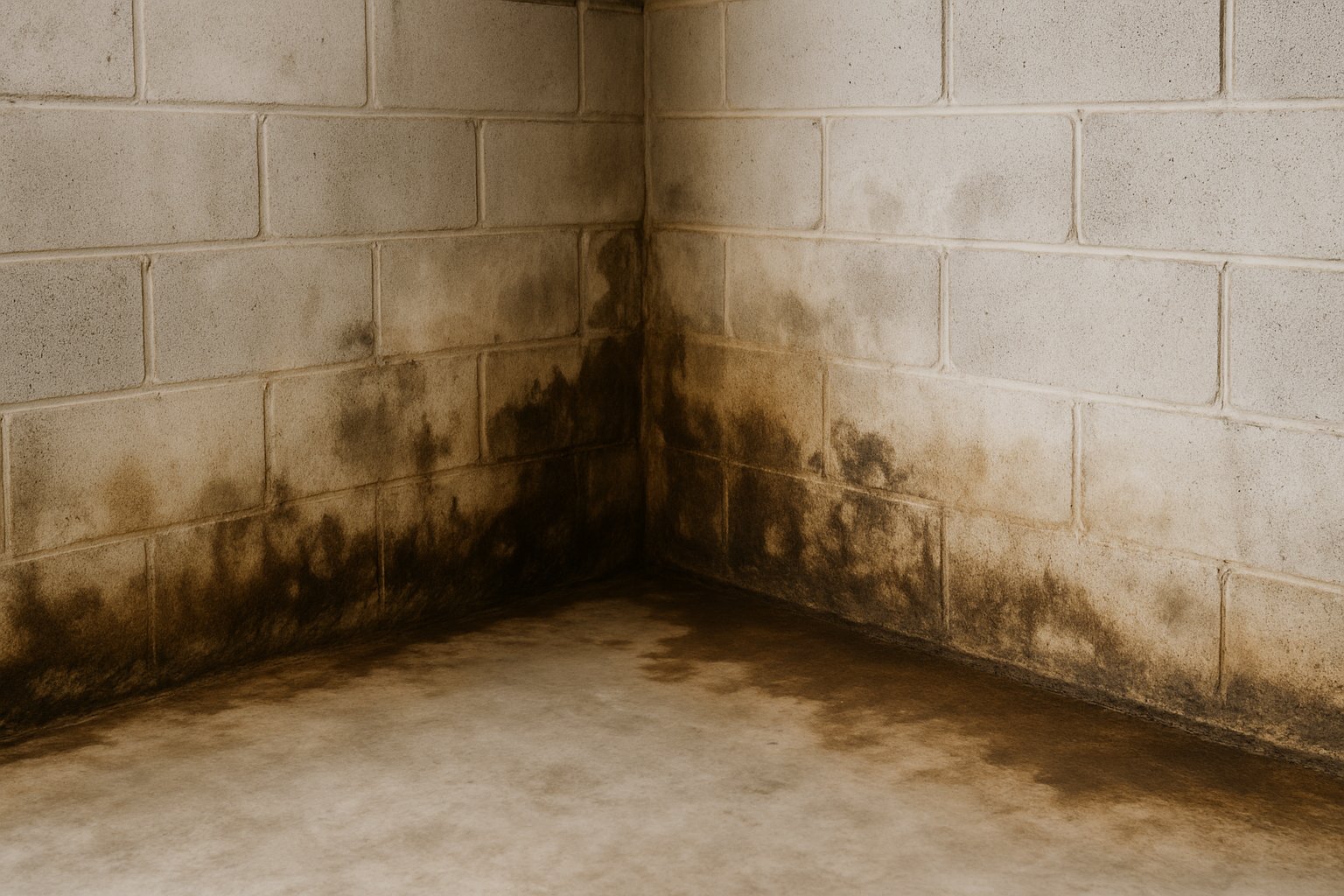
Water stains on walls and ceilings are one of the clearest signs your basement needs waterproofing. These marks appear as brown, yellow, or copper-coloured patches where water has seeped through foundation walls.
You might notice these stains start small and grow larger over time. They often appear after heavy rain or during spring thaw when groundwater levels rise.
Discoloration on basement floors can show up as dark spots or streaks across concrete surfaces. This happens when water enters through cracks in your foundation or floor joints.
The stains may fade when dry weather returns, but they typically reappear during the next wet period. This cycle indicates ongoing moisture problems that will worsen without proper waterproofing.
Fresh water damage creates light-colored stains that darken as they age. Persistent stains and discoloration suggest repeated water intrusion over months or years.
You should check areas where your basement walls meet the floor most carefully. Water often enters at these joints first, creating telltale staining patterns.
Even minor discoloration signals that your basement’s moisture barrier has failed. Without waterproofing, these small stains will expand and lead to more serious structural problems.
Take photos of any stains you find and monitor them over several weeks. Growing or darkening stains confirm active water penetration that requires immediate waterproofing attention.
4) Cracks in foundation or basement walls
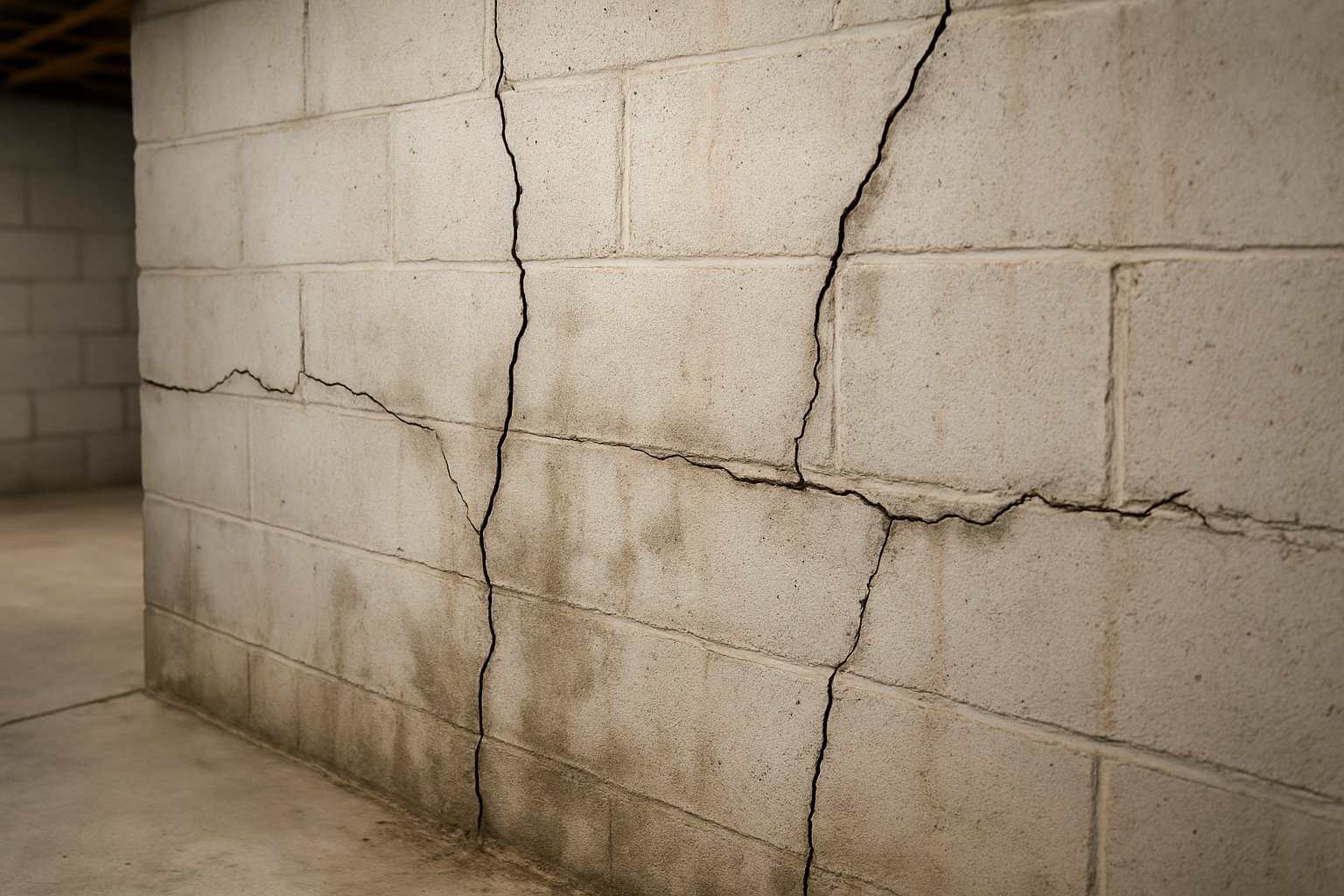
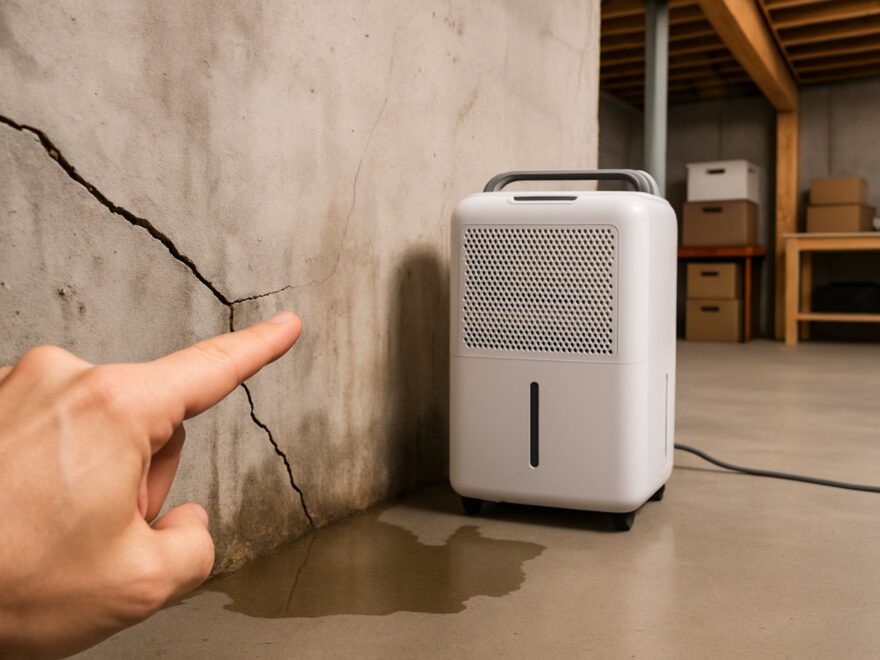
Cracks in your basement or foundation walls are clear warning signs that water could soon enter your home. These openings create direct pathways for moisture to seep through your foundation.
Water seepage through severe cracks requires professional sealing to prevent future moisture problems. Even small cracks can grow larger over time, allowing more water to enter your basement.
The direction of cracks tells you about the severity of your foundation issues. Vertical, horizontal, diagonal and stair-step cracks each indicate different types of foundation problems that need attention.
Your foundation supports your entire home’s weight. When cracks appear, they weaken this support system and create entry points for water damage.
Soil movement around your foundation often causes these cracks to form. Expansive soils that shrink and swell with moisture changes create pressure that cracks basement walls.
You should inspect both interior and exterior foundation walls regularly. Exterior foundation cracks can be just as problematic as interior ones for water infiltration.
Small hairline cracks might seem harmless, but they can quickly become major water entry points. Early warning signs of structural shifts include any visible cracks in your basement walls.
Ignoring foundation cracks leads to more expensive repairs later. Water entering through these cracks can damage your belongings, create mold problems, and weaken your home’s structure over time.
Why Basement Waterproofing Is Essential
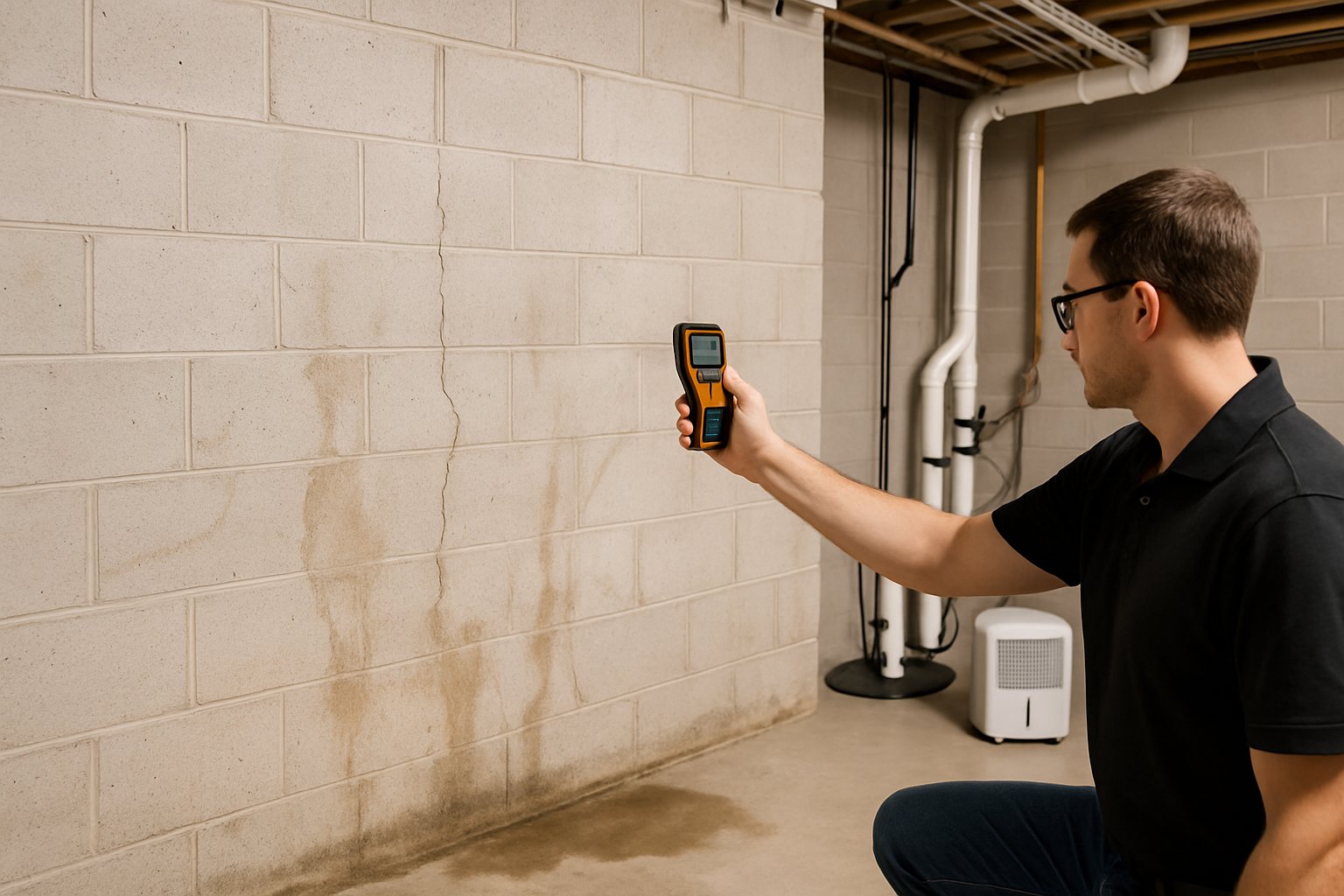
Basement waterproofing protects your home’s foundation from water damage that can cost thousands of dollars to repair. It also keeps harmful mold and moisture out of your living space.
Preventing Costly Structural Damage
Water damage to your basement can destroy your home’s foundation over time. When water gets into cracks, it weakens the concrete and steel that hold up your house.
Foundation cracks and water damage happen slowly at first. You might not notice small problems until they become major repairs.
Freeze and thaw cycles make cracks worse each winter. Water expands when it freezes, pushing concrete apart from the inside.
Your basement walls can bow inward from water pressure in the soil. This type of damage often requires expensive wall replacement or reinforcement.
Water also damages the wooden beams and support posts in your basement. Wet wood rots and loses its strength, putting your entire house at risk.
Early waterproofing can save thousands in future repair costs. Fixing water problems costs much less than replacing damaged foundations or support beams.
Protecting Indoor Air Quality
Basement moisture creates the perfect place for mold and mildew to grow. These fungi release spores into the air that travel throughout your house.
Mold spores can trigger asthma attacks and breathing problems. People with allergies often feel worse when mold grows in their basement.
Musty odours from basement moisture indicate air quality problems. The smell comes from mold, mildew, and bacteria growing in damp areas.
Your heating and cooling system pulls air from your basement into other rooms. This means basement air problems affect your whole house.
Humid basement air makes your home feel stuffy and uncomfortable. High humidity also makes it harder for your body to cool itself in summer.
Dust mites thrive in humid conditions. These tiny bugs live in carpets, furniture, and bedding, causing allergic reactions for many people.
Waterproofing keeps moisture levels low and prevents these air quality problems. Dry basements mean cleaner, healthier air for your family.
Choosing the Right Basement Waterproofing Solution
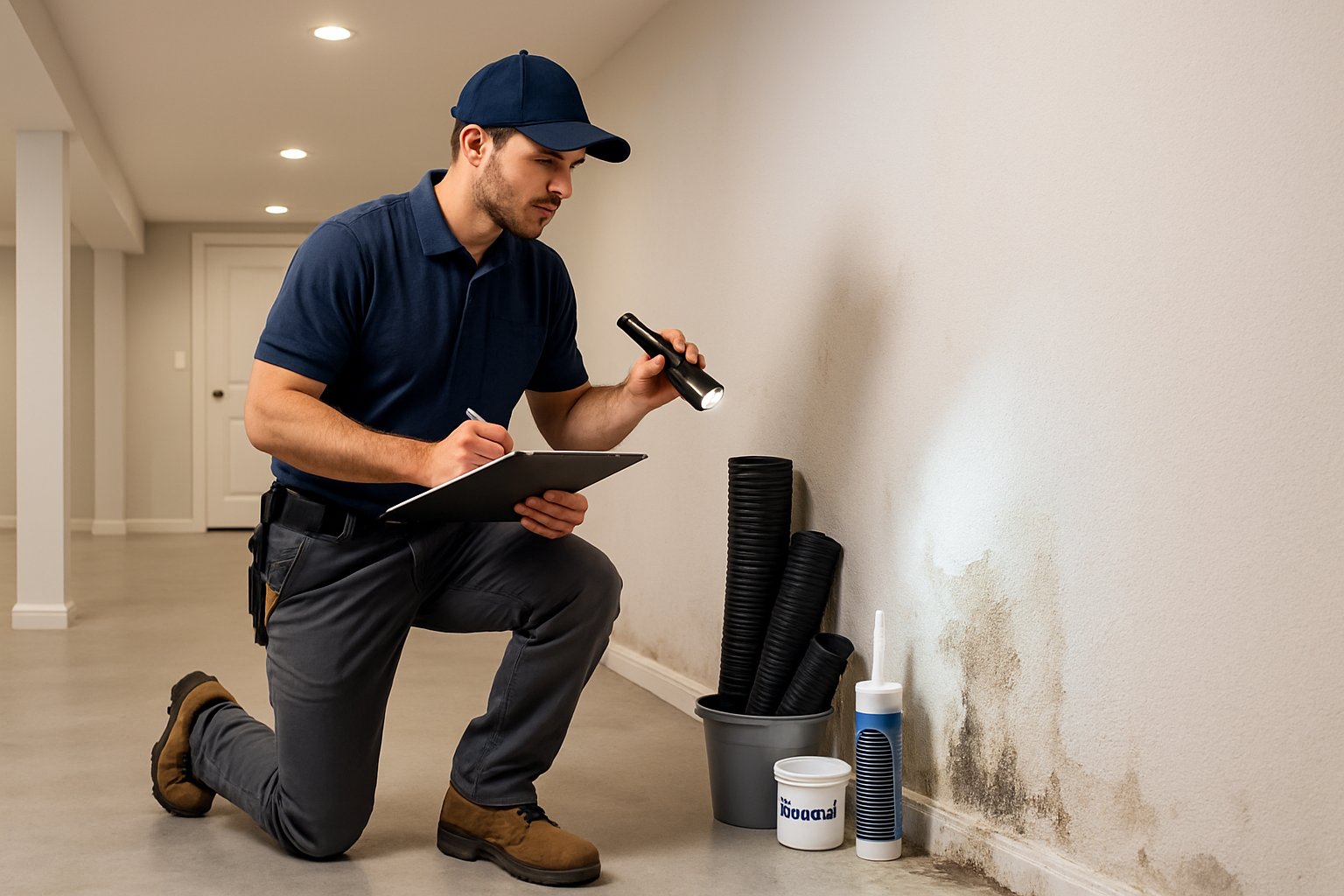
Getting expert help and understanding your options will save you money and prevent future problems. Interior and exterior methods each work better for different water issues.
Professional Assessment and Recommendations
A waterproofing expert can find the exact source of your water problem. They check your foundation type, drainage system, and grading around your home.
The assessment covers both inside and outside issues. Outside problems include improper drainage and negative grading where your yard slopes toward your house. Inside issues involve condensation, foundation cracks, and failed seals.
Professionals use special tools to measure moisture levels. They also check for hidden damage behind walls or under floors.
Your foundation type affects which solutions work best. Concrete block foundations need different treatments than poured concrete walls.
The expert will give you a written plan. This plan explains the water source, recommended fixes, and expected costs.
Comparing Interior vs. Exterior Methods
Interior waterproofing costs less and works faster to install. These systems include sump pumps, drainage tiles, and vapour barriers.
Sump pumps remove water that gets into your basement. Drainage systems collect water and direct it away from your foundation. Interior methods work well for minor water issues.
Exterior waterproofing stops water before it reaches your foundation. This method requires digging around your home’s perimeter. Workers apply waterproof coatings and install drainage systems outside.
Exterior solutions last longer but cost more upfront. They work better for serious water problems and structural issues.
Some homes need both interior and exterior methods. Your waterproofing expert will recommend the right combination based on your specific water issues.