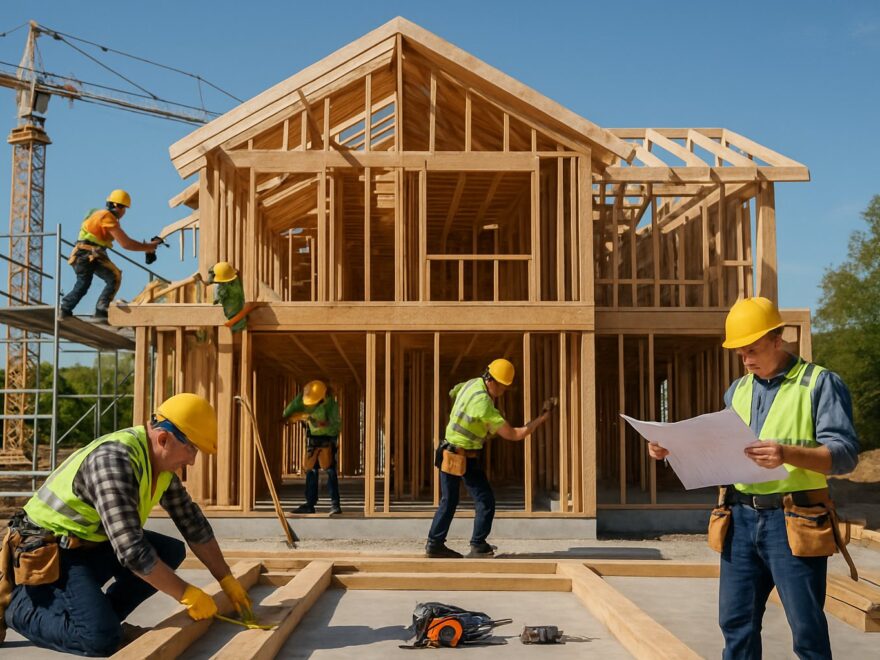
Building Your Dream Home with Quality and Care
Building your dream home from the ground up gives you complete control over every detail, from the foundation to the finishing touches.
Custom home construction lets you create a living space that perfectly matches your lifestyle, preferences, and needs rather than settling for someone else’s design choices. Unlike buying an existing home, you get to choose everything from room layouts and architectural styles to materials and energy systems.
The custom building process involves several key stages that transform your vision into reality. You’ll work closely with builders and designers to develop plans, secure permits, and oversee construction from start to finish. Understanding each phase helps you make informed decisions and ensures your project stays on track and within budget.
Choosing the right builder makes all the difference in your custom home experience. The best custom home builders in Cambridge combine quality craftsmanship with excellent customer service and solid warranties. They guide you through design decisions, handle construction details, and deliver a home that exceeds your expectations while providing ongoing support after you move in.
Understanding Custom Home Construction
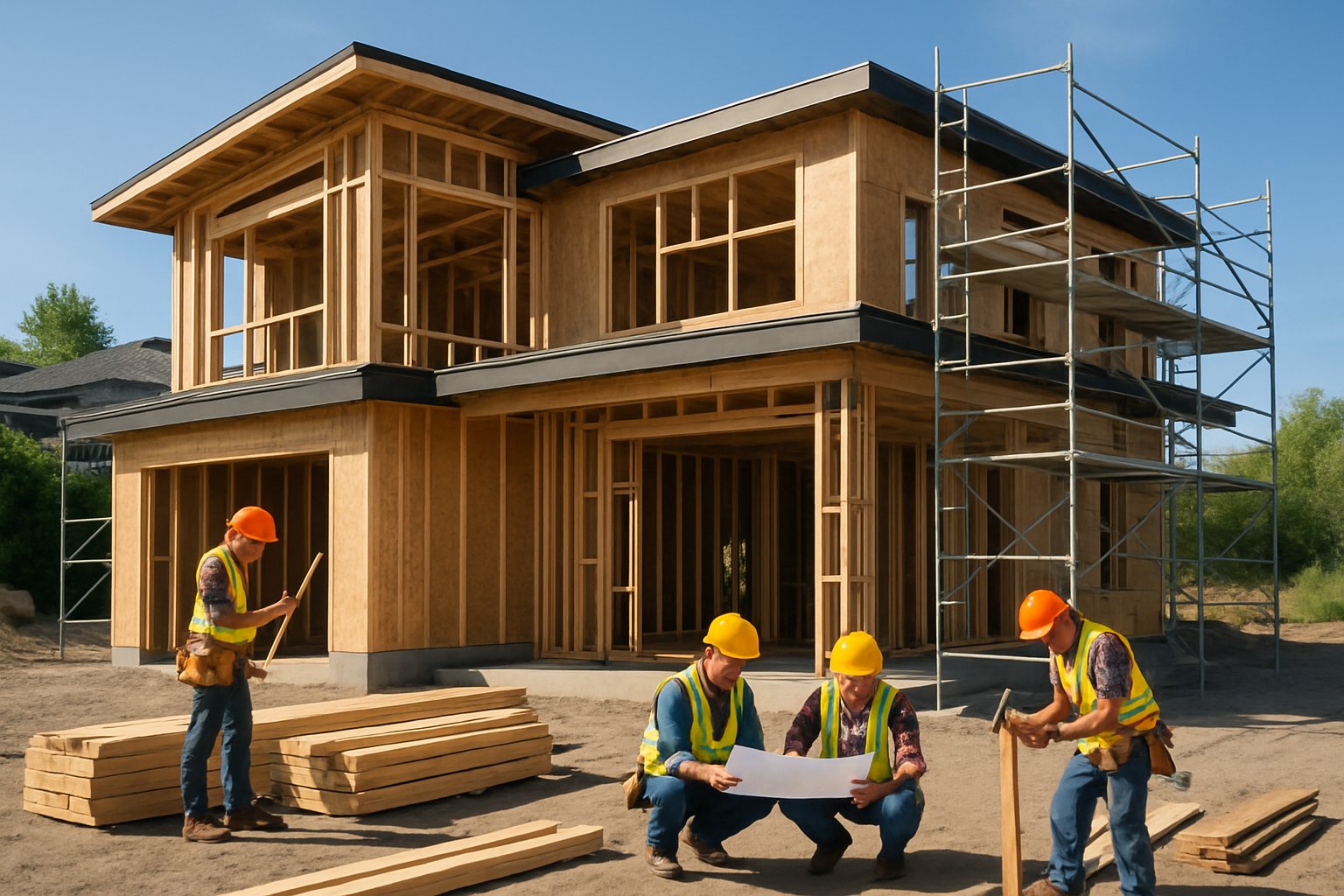
Custom home construction gives you complete control over your home’s design, materials, and features. Unlike production homes, custom builds are tailored specifically to your lifestyle and preferences with professional builders guiding the entire process.
What Sets Custom Homes Apart
Custom homes differ from production homes in every aspect of design and construction. You make decisions about floor plans, room layouts, and architectural styles from the ground up.
Production builders construct dozens of similar homes using standard plans. Custom home builders create one-of-a-kind homes based on your specific requirements and lot characteristics.
Material selection becomes your choice entirely. You pick everything from foundation types to roof materials, flooring, cabinets, and fixtures. This level of customization extends to room sizes, ceiling heights, and window placements.
Site-specific design addresses your lot’s unique features. Custom builders work around slopes, trees, views, and property boundaries that would limit standard home designs. Your home fits your land perfectly instead of forcing a generic plan onto your property.
Key Benefits of Building Custom
Building custom eliminates compromise on important features. You get exactly what you want instead of settling for close enough.
Long-term satisfaction rates are higher among custom home owners. You avoid the common regret of wishing you had different room layouts or finishes. Every aspect reflects your personal preferences and daily routines.
Custom homes often feature higher quality construction than production homes. Builders use premium materials and craftsmanship because each project represents their reputation. Quality craftsmanship becomes a priority rather than speed of construction.
Future modification costs decrease significantly. Custom homes are built with your family’s growth and changing needs in mind. Proper planning during construction prevents expensive renovations later.
Property values typically remain stronger for well-designed custom homes. Unique features and quality construction appeal to future buyers who value distinctive properties over cookie-cutter alternatives.
Role of a Custom Home Builder
A custom home builder manages your entire project from initial planning through final completion. They coordinate architects, subcontractors, permits, and inspections while keeping you informed throughout the process.
Design-build services combine architectural design and construction under one company. This approach streamlines communication and reduces conflicts between designers and builders.
Budget management becomes crucial during custom construction. Experienced builders help you prioritize features within your budget and suggest alternatives when costs exceed expectations. They provide detailed estimates and track expenses throughout construction.
Permit navigation requires local expertise that custom builders provide. They understand zoning requirements, building codes, and inspection schedules in your area. This knowledge prevents delays and ensures code compliance.
Quality control remains the builder’s primary responsibility. They inspect work at each phase, coordinate with subcontractors, and address any issues before they become problems. Regular progress reviews keep your project on schedule and within specifications.
The Custom Home Building Process

Building a custom home requires careful coordination between you, your builder, and various professionals throughout multiple stages. The process begins with detailed planning sessions, moves through architectural design work, and concludes with securing necessary permits before construction can begin.
Initial Consultation and Planning
Your custom home journey starts with selecting the right builder for your project. During initial meetings, you’ll discuss your vision, lifestyle needs, and budget requirements with potential contractors.
Most builders will ask about your family size, entertaining preferences, and long-term plans. These conversations help shape the overall project scope and timeline expectations.
Budget Planning
- Construction costs
- Land preparation expenses
- Permit and inspection fees
- Contingency funds (typically 10-15%)
The home building process for custom homes typically takes 10-16 months from start to finish. This timeline includes all pre-construction activities and the actual building phase.
Your builder should provide a detailed breakdown of costs and timelines. Experienced professionals in the construction industry will also discuss potential challenges specific to your lot or design preferences.
Setting realistic expectations during this phase prevents disappointments later. Clear communication establishes the foundation for a successful partnership throughout the entire project.
Design and Architectural Considerations
Once you’ve chosen your builder, the design phase begins with creating detailed floor plans and exterior elevations. You’ll work with architects or design professionals to translate your ideas into buildable plans.
This stage requires significant attention to detail. Every room layout, window placement, and structural element must be carefully considered and documented.
Key Design Elements
- Room sizes and flow patterns
- Kitchen and bathroom layouts
- Storage solutions
- Electrical and plumbing locations
Modern home construction relies heavily on precise specifications. Your design team will create detailed drawings that show exactly how each component fits together.
Material selections happen during this phase as well. You’ll choose flooring, fixtures, cabinetry, and other finishes that align with your style preferences and budget.
Changes become more expensive once construction begins. Finalizing all design decisions before breaking ground saves both time and money throughout the building process.
Permits and Approvals
Before construction can begin, your builder must obtain various permits from local authorities. This process ensures your home meets all safety codes and zoning requirements.
The custom home construction timeline includes permitting as a critical phase that can impact the entire schedule. Delays in approvals can push back your move-in date significantly.
Required Permits
| Permit Type | Purpose | Timeline |
|---|---|---|
| Building permit | Overall construction approval | 2-8 weeks |
| Electrical permit | Wiring and electrical systems | 1-2 weeks |
| Plumbing permit | Water and sewer connections | 1-2 weeks |
Your builder handles most permit applications, but you may need to sign documents or provide additional information. Professionalism during this phase involves staying responsive to requests from both your builder and local officials.
Some areas require additional approvals for septic systems, well installations, or architectural review board assessments. These specialty permits can add weeks to the approval timeline.
Starting the permit process early prevents construction delays. Most builders submit applications as soon as final plans are completed and approved by you.
Quality and Craftsmanship in Custom Homes
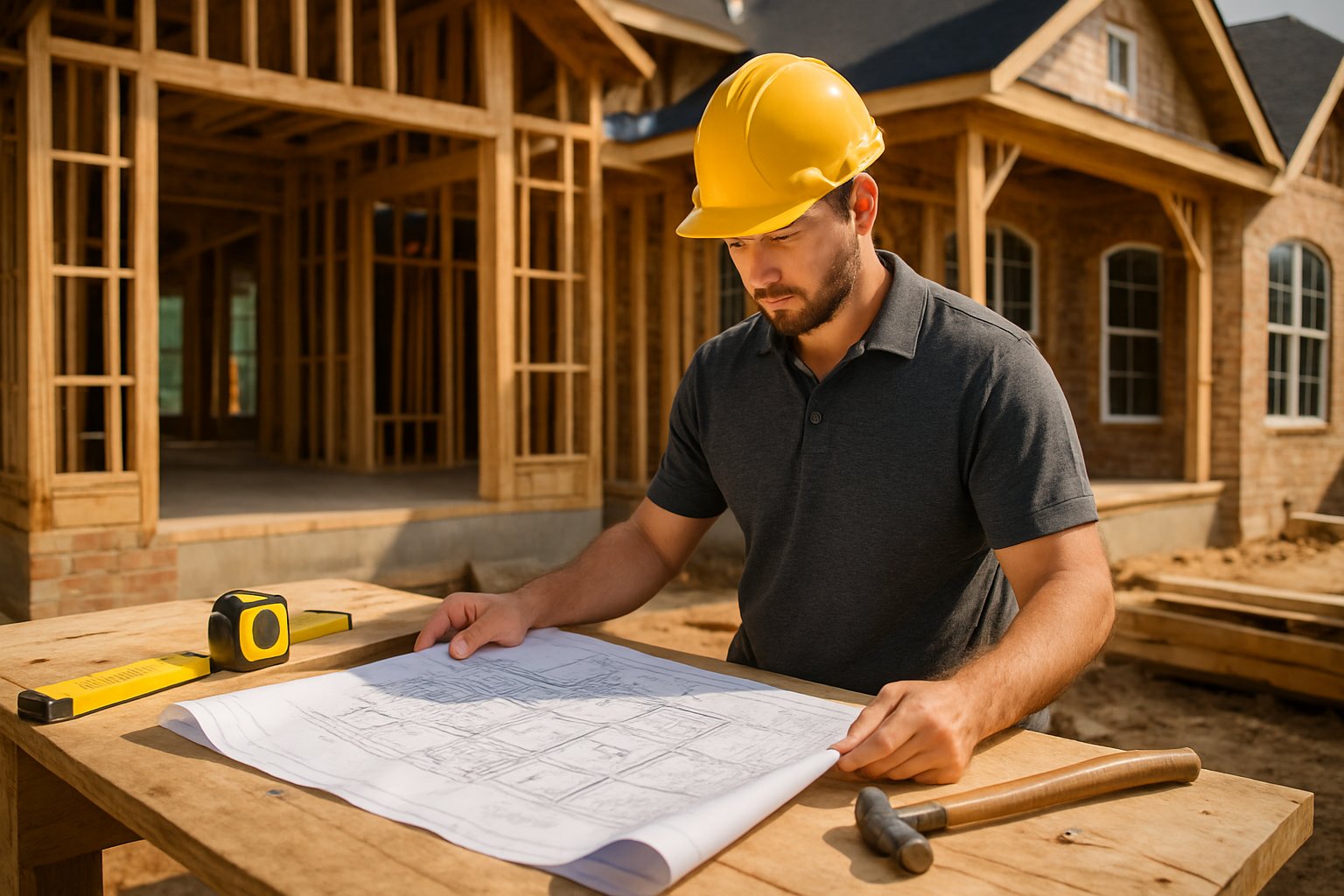
The foundation of any exceptional custom home lies in superior materials and meticulous workmanship. Every component, from structural elements to finishing touches, requires careful selection and expert installation to ensure lasting value.
Selecting Quality Materials
Your material choices directly impact your home’s durability, appearance, and long-term performance. Premium materials cost more upfront but deliver significant value over time through reduced maintenance and enhanced aesthetics.
Structural materials form the backbone of quality construction. Engineered lumber provides superior strength and consistency compared to standard dimensional lumber. Steel framing offers exceptional durability in areas prone to moisture or termites.
Exterior materials must withstand weather extremes while maintaining curb appeal. Fiber cement siding resists rot, insects, and fire while mimicking wood’s appearance. Natural stone and brick provide timeless beauty with minimal maintenance requirements.
Interior finishes showcase your home’s character and reflect daily use patterns. Hardwood flooring from reputable mills ensures consistent grain patterns and proper moisture content. High-grade plywood substrates prevent warping and squeaking in finished floors.
Kitchen and bathroom fixtures represent significant investments in both function and style. Solid surface countertops resist stains and scratches better than laminate alternatives. Commercial-grade faucets and hardware withstand frequent use without deterioration.
Workmanship and Attention to Detail
Skilled tradespeople transform quality materials into exceptional living spaces through precise installation techniques. Quality craftsmanship ensures every component functions properly and maintains its appearance over decades of use.
Framing accuracy affects every subsequent trade’s work quality. Properly squared walls allow for seamless drywall installation and precise trim work. Level floors prevent gaps in flooring materials and ensure cabinet doors operate smoothly.
Electrical and plumbing installations require meticulous planning and execution. Properly secured wiring prevents future service calls and safety hazards. Correctly pitched drain lines eliminate standing water and potential blockages.
Finish carpentry separates average homes from exceptional ones. Tight joints in trim work create clean sight lines throughout your home. Perfectly aligned cabinet doors and drawers demonstrate superior installation skills.
Paint application techniques dramatically affect final appearance and longevity. Proper surface preparation ensures paint adhesion and smooth finishes. Multiple thin coats provide better coverage than single thick applications.
Ensuring Quality Craftsmanship
Establishing clear quality standards protects your investment and ensures satisfactory results. Regular inspections during construction identify issues before they become costly problems requiring extensive repairs.
Pre-construction meetings establish expectations between you and your builder. Detailed specifications prevent misunderstandings about material grades and installation methods. Written change orders document any modifications to original plans.
Progress inspections at key milestones verify work meets established standards. Foundation inspections ensure proper concrete placement and reinforcement positioning. Framing inspections confirm structural integrity before concealment by insulation and drywall.
Third-party inspections provide objective assessments of work quality. Licensed inspectors identify code violations and substandard workmanship. Professional reports document compliance with building standards and manufacturer specifications.
Final walkthroughs before closing allow you to identify any remaining deficiencies. Create detailed punch lists documenting items requiring correction or completion. Ensure all systems operate properly before accepting final delivery of your home.
Quality documentation preserves warranty coverage and facilitates future maintenance. Collect all manufacturer warranties and installation certificates. Maintain detailed records of materials used and installation dates for future reference.
Customer Service and Warranty

Quality customer service and comprehensive warranty protection form the foundation of a successful custom home building experience. Professional builders provide dedicated support teams and multiple warranty layers to protect your investment long after construction completes.
Importance of Customer Service
Professional customer service distinguishes quality custom home builders from average contractors. Your builder should assign a dedicated customer service representative to handle all warranty requests and concerns.
Effective communication channels include phone, email, and online portals for submitting service requests. Response times typically range from 24-48 hours for non-emergency issues.
The best builders maintain customer service teams that continue supporting you after move-in. This ongoing relationship ensures problems get resolved quickly without unnecessary delays.
Quality customer service includes regular follow-up calls during your first year. These check-ins help identify potential issues before they become costly problems.
Professional builders document all service interactions. This creates a clear record of warranty work and helps track recurring issues that may need additional attention.
Tarion Warranty Overview
Tarion warranty coverage provides mandatory protection for new custom homes through a regulated warranty program. This coverage automatically applies when you build with registered builders.
The warranty includes three coverage periods:
- Year 1: Labor and materials defects
- Year 2: Major systems like plumbing, electrical, and heating
- Years 3-7: Structural components and water penetration
Tarion serves as the regulatory authority that ensures builders meet construction standards. This third-party oversight protects you if your builder fails to honor warranty obligations.
Coverage begins on your possession date. You must report warranty issues within specific timeframes to maintain protection.
The program includes dispute resolution services. If disagreements arise with your builder, Tarion can mediate and enforce warranty requirements.
After-Sales Support
After-sales procedures encompass all support services provided after you receive your keys. Quality builders offer comprehensive programs that extend beyond basic warranty requirements.
Service request processes should be simple and efficient. Many builders provide online portals where you can submit requests, track progress, and communicate with service teams.
Emergency support typically includes 24-hour contact numbers for urgent issues like heating failures or plumbing leaks. Non-emergency requests usually receive responses within one to two business days.
Documentation organization plays a critical role in warranty management. Keep all warranty papers, service records, and communication logs in one accessible location.
Professional builders schedule follow-up inspections at 30 days, 90 days, and one year after possession. These visits help identify and address any settling issues or minor defects that may appear.
Choosing the Right Custom Home Builder
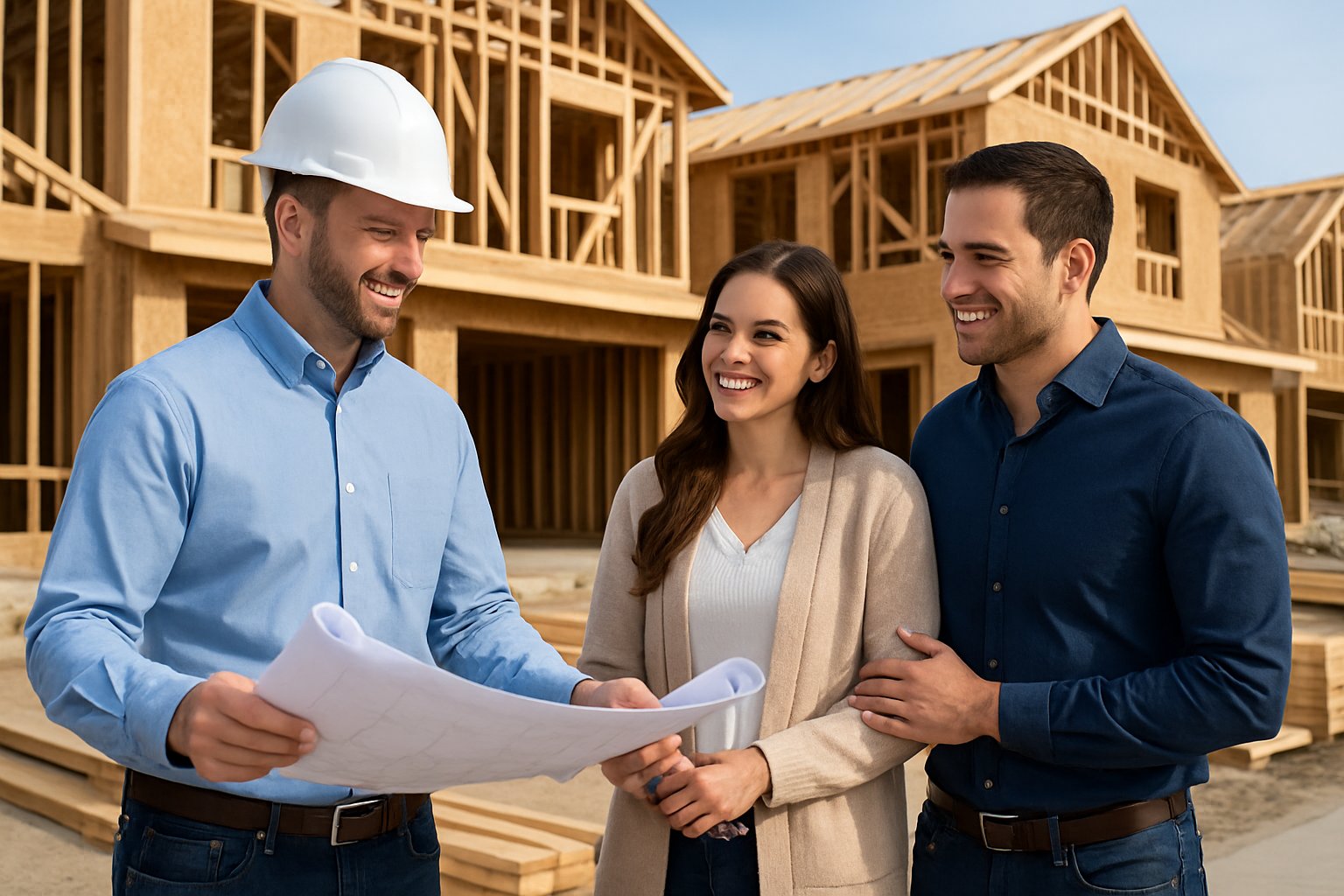
Selecting a custom home builder requires careful evaluation of their track record, business practices, and communication style. Your builder’s experience level, professional credentials, and pricing transparency will directly impact your project’s success and your overall satisfaction with the construction process.
Assessing Professionalism and Communication
Professional builders demonstrate their credentials through proper licensing, insurance, and industry involvement. Verify that your builder carries both general liability and workers’ compensation insurance.
Check if they belong to professional organizations like local home builders associations. These memberships indicate commitment to industry education and involvement and staying current with construction standards.
Evaluate their communication style during initial meetings. Professional builders return calls within 24 hours and provide detailed answers to your questions.
Ask about their project management approach. Experienced builders use construction management software and provide regular progress updates throughout the building process.
Review their contract templates and warranty offerings. Quality builders provide comprehensive contracts that clearly outline scope, timeline, and change order procedures.